Outdoor-Friendly Bag Picks for Texas Adventures
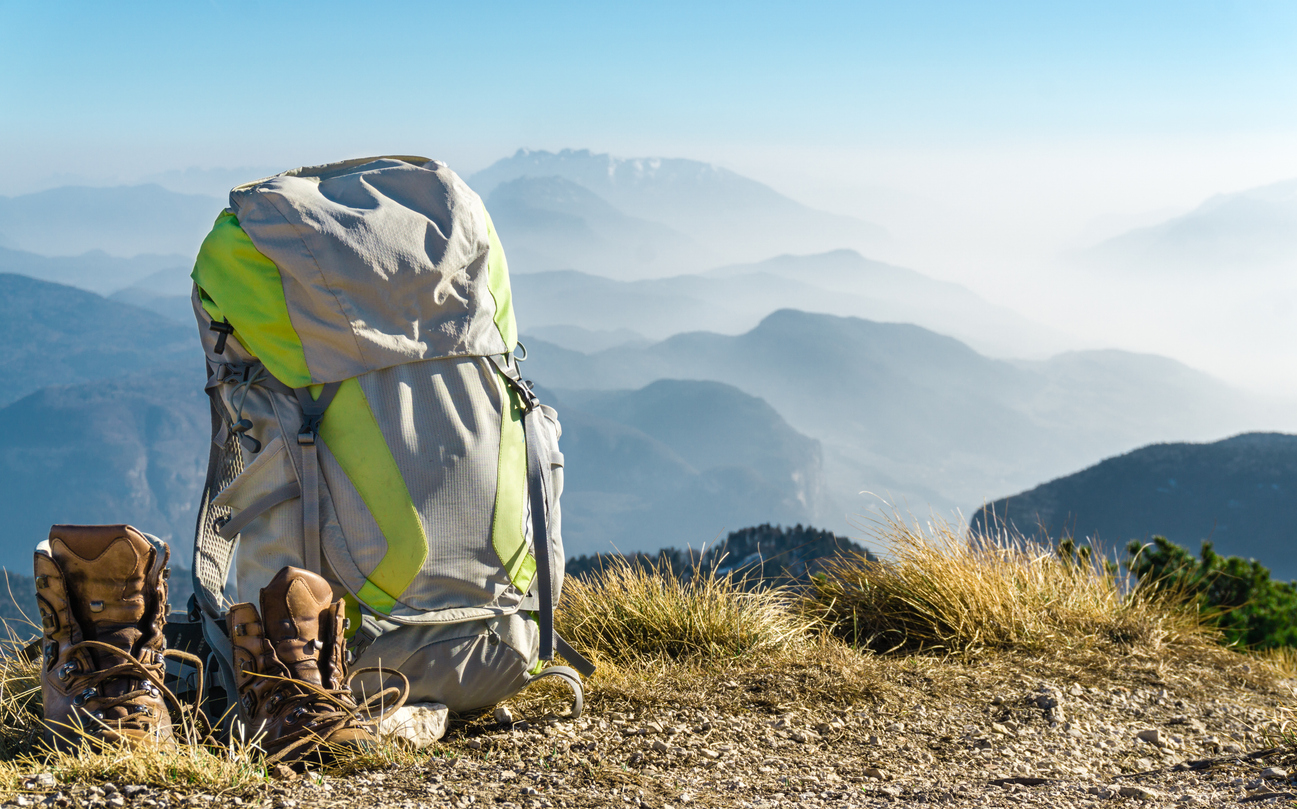
Choosing the right backpack for Texas adventures depends on the terrain, weather, and the length of your trip. From short Hill Country hikes to multi-day backcountry routes in Big Bend or the Lone Star Hiking Trail, the right pack can make a major difference in comfort and safety. Lightweight daypacks work well for shorter excursions, while larger backpacks are better suited for overnight trips that require carrying extra water, food, and shelter.
Backpack features such as ventilation, load distribution, and hydration compatibility are particularly important in Texas, where heat and long distances between water sources can challenge hikers. The following sections explain how to select packs suited to day hikes, multi-day treks, and remote desert travel.
How to Choose a Backpack for Texas Hiking and Backpacking
Whether you're planning a sunset hike in Big Bend National Park or a longer trek along the Lone Star Hiking Trail in East Texas, selecting the right backpack begins with choosing the correct capacity.
Day hikes typically require 18–30 liter packs, which provide enough room for water, snacks, navigation tools, and basic safety gear. Multi-day trips often require 40–65 liter packs, allowing hikers to carry camping equipment, additional clothing layers, and food supplies.
Fit is just as important as capacity. Measuring your torso length and hip circumference helps ensure the pack sits correctly on your body. Properly fitted hip belts transfer much of the weight from your shoulders to your hips, reducing fatigue during long hikes. Adjustable sternum straps also help stabilize the load when navigating rocky or uneven terrain.
Because Texas hiking often involves hot temperatures and high humidity, look for packs with ventilated back panels, breathable mesh padding, and hydration reservoir sleeves. External water bottle pockets, trekking pole attachments, and compression straps can also improve organization and comfort on the trail.
Ultralight Packs for Texas Day Hikes
For short trips in places such as Enchanted Rock State Natural Area, Garner State Park, or Pedernales Falls State Park, many hikers prefer lightweight backpacks that reduce fatigue and allow greater mobility.
Ultralight packs typically weigh under three pounds and are designed for carrying lighter loads during day hikes.
Model | Weight | Approximate Price |
|---|---|---|
Durston Kakwa 55 | 1 lb 13 oz | ~$200 |
ULA Ohm 2.0 | 2 lbs | ~$225 |
Gossamer Gear Gorilla 50 | 1 lb 14 oz | ~$255 |
These packs balance lightweight materials with supportive frames, making them suitable for hikers who want to keep their gear minimal while still maintaining comfort and stability. Features such as hydration compatibility, exterior stretch pockets, and lightweight frames help distribute weight efficiently during hot-weather hikes.
Hydration Packs for Trail Running and Short Texas Hikes
For trail runners and hikers who prefer minimal gear, hydration packs provide a lightweight alternative to traditional backpacks. These compact packs are designed to carry water reservoirs, small snacks, and essential safety items without adding bulk.
Hydration packs are especially useful in Texas, where high temperatures make regular water access critical. Many runners use packs with 1–2 liter hydration bladders, breathable mesh harness systems, and small zippered pockets for items such as energy gels, phones, or sunscreen.
Popular models from brands like Salomon, Osprey, and Nathan are built with lightweight materials and snug-fitting designs that prevent bouncing during runs. These packs work well for trail running routes, short hikes, and quick outdoor workouts at parks and trail systems across the state.
Mid-Weight Backpacks for Hill Country Multi-Day Treks
Backpacks in the 2–3 pound range are often ideal for longer trips in the Texas Hill Country, where trails may involve steep climbs, limestone terrain, and limited water sources.
Trips lasting two to five days usually require packs with 40–60 liters of capacity to carry camping gear, water, and cooking supplies.
Popular mid-weight models include:
- ULA Ohm 2.0 (63L) – known for lightweight durability and customizable features
- Gossamer Gear Gorilla 50 – designed for lighter backpacking loads
- Hyperlite Mountain Gear Windrider 3400 (55L) – built with durable waterproof materials for rough terrain
These packs often include removable frames, padded hip belts, and load lifter straps that help manage heavier loads across longer distances. Hikers exploring routes such as the Goodwater Loop at Lake Georgetown or segments of the Lone Star Hiking Trail often benefit from this balance between durability and manageable weight.
Backpacks for Big Bend and Remote Desert Trips
Remote destinations like Big Bend National Park and Guadalupe Mountains National Park require careful gear planning. Water sources are limited, and hikers often need to carry multiple liters of water along with food, sun protection, and emergency supplies.
For desert environments, look for backpacks with:
- Durable ripstop nylon or Dyneema fabric
- Well-padded shoulder straps and hip belts
- Ventilated back panels to reduce heat buildup
- Hydration reservoir compatibility
- Attachment points for trekking poles or additional gear
Backpacks in the 50–65 liter range are commonly used for overnight desert trips. Organization features such as interior compartments and exterior pockets help hikers keep essential gear accessible while protecting electronics and supplies.
A separate rain cover or waterproof pack liner can also be useful during sudden storms, which occasionally occur during monsoon season in West Texas.
Dry Bags for Kayaking, Paddling, and River Adventures
Waterproof storage becomes essential for outdoor adventures on Texas rivers, lakes, and coastal bays. Dry bags are commonly used by kayakers, paddleboarders, and boaters to protect gear from water exposure.
These bags are typically made from waterproof PVC or TPU-coated nylon and seal using a roll-top closure that keeps moisture out. Dry bags come in various sizes, ranging from small 5-liter pouches for electronics to larger 20–40 liter bags for clothing and camping gear.
They are especially useful on popular Texas waterways such as the Guadalupe River, San Marcos River, and coastal paddling trails along the Gulf Coast. Many outdoor enthusiasts carry dry bags inside their main packs to protect items like cameras, maps, and extra clothing during wet conditions.
Water Resistance, Ventilation, and Texas Weather Features
Texas weather can change quickly, especially during spring and summer storms. Choosing a pack with water-resistant fabrics and sealed seams helps protect gear from unexpected rain.
Many modern packs use materials such as ripstop nylon, Dyneema composite fabric, or TPU-coated polyester to provide durability while remaining lightweight.
Ventilation is equally important in Texas heat. Packs with mesh back panels, suspended frames, or airflow channels help reduce sweat buildup during long hikes. These designs allow air to circulate between your back and the pack, improving comfort in hot conditions.
Additional useful features include:
- Hydration bladder sleeves
- Side pockets for quick-access water bottles
- Compression straps to stabilize loads
- Trekking pole attachment loops
These design elements can significantly improve comfort during long days outdoors.
Fishing Sling Packs for Texas Lakes and Coastal Fishing
Anglers exploring Texas rivers, lakes, and coastal flats often prefer fishing sling packs, which allow easy access to gear without removing the pack.
These single-strap packs sit comfortably across the back and can rotate to the front when needed. They typically include tackle storage compartments, tool loops, and waterproof pockets for small accessories such as pliers, lures, or fishing line.
Sling packs are commonly used for wade fishing along the Gulf Coast, as well as freshwater fishing in destinations such as Lake Texoma, Lake Fork, and the Guadalupe River. Their compact design allows anglers to move easily along shorelines while keeping essential gear within reach.
Torso Length and Hipbelt Fit for Hot-Weather Comfort
Proper backpack fit plays a major role in preventing fatigue and discomfort during long hikes.
A well-designed hip belt should sit on the iliac crest—the top of the hip bones—where it can transfer much of the pack’s weight to the pelvis. When fitted correctly, this reduces pressure on the shoulders and improves balance while walking.
Torso length measurements help ensure the pack frame aligns with your body. Many manufacturers offer adjustable torso systems that allow hikers to fine-tune the fit.
Because temperatures in Texas often fluctuate throughout the day, hikers frequently remove or add clothing layers. Adjusting shoulder straps and hip belts after changing layers helps maintain the correct fit and keeps weight distribution balanced.
Dense foam padding, breathable mesh fabrics, and adjustable straps all contribute to better comfort during long, hot-weather hikes across Texas trails.
Travel Duffels for Texas Camping and Road Trips
For longer outdoor trips or vehicle-based adventures, many travelers rely on durable travel duffels rather than traditional hiking packs.
Duffel bags offer large compartments that make it easier to organize clothing, sleeping gear, and campsite supplies. Many outdoor duffels are built from water-resistant fabrics with reinforced handles and compression straps, making them suitable for rough conditions.
Duffels are commonly used for road trips to Texas state parks, beach camping along the Gulf Coast, or weekend adventures in the Hill Country. They are especially practical for travelers who plan to hike during the day but return to a campground or cabin in the evening.