Surprising Facts About Purses and Handbags You Probably Never Knew
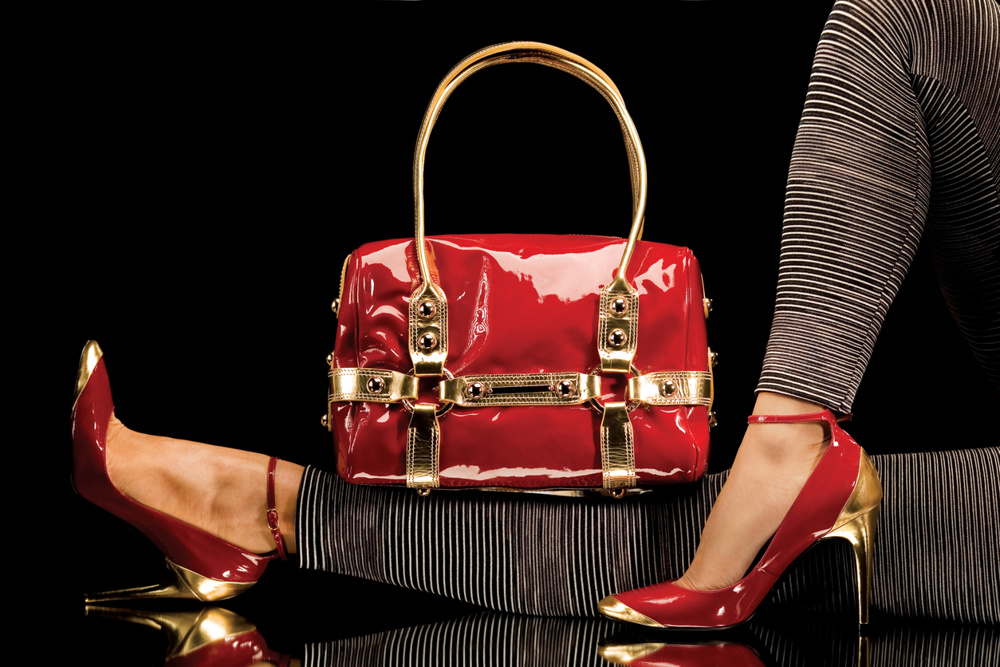
Handbags feel like a modern staple, but their story stretches far beyond contemporary fashion. What started as a simple tool for carrying essentials has evolved into something far more complex—shaped by history, culture, economics, and identity.
From prehistoric pouches to billion-dollar luxury markets, handbags have continuously adapted to reflect the needs and values of each era. Today, they exist at the intersection of practicality and symbolism, functioning as both everyday items and cultural markers. Looking at their evolution reveals not just how they’ve changed—but how they’ve helped shape broader trends in fashion and society.
The Ancient Origins of Handbags Predate Modern Fashion by Centuries
Handbags have been around far longer than most people realize, with their origins stretching back tens of thousands of years before modern fashion even existed. You'd be surprised to learn that prehistoric pouches date to around 38,000 BCE, when people crafted them from animal skins and plant fibers to carry food and tools.
By 3300 BCE, Ötzi the Iceman wore a leather pouch on his belt containing practical tools. Ancient Egyptians elevated the concept by creating ceremonial satchels decorated with jewels and hieroglyphs around 2000 BCE, using them for both daily activities and status signaling.
Even more fascinating, the Sumerians and Olmecs independently depicted identical handbag motifs on their gods, suggesting bags held deep cultural significance across civilizations that had no known connection to each other. During the Middle Ages, handbags evolved into prominent status accessories, with elaborately crafted styles like the Courtauld metal-style bag signaling wealth and social standing among nobility.
Why Handbags Were First Designed as Men's Accessories
Though it may seem surprising today, men were the first to carry handbags, wearing small leather pouches called girdle pouches hung from their belts during the Middle Ages. These pouches held coins, relics, and alms since clothing lacked pockets until the 17th century.
The girdle evolution transformed these functional carriers into symbols of status. Elizabethan aristocrats wore ornately embroidered "sweet bags" filled with herbs, demonstrating that male ornamentation was once central to bag culture. As pockets appeared in men's clothing between the 14th and 17th centuries, men gradually abandoned bags for smaller items, shifting their use toward bulkier cargo like books and documents.
Women later adopted refined versions of these designs, reclaiming the bag's aesthetic value and gradually making it the feminine accessory you recognize today. The Industrial Revolution further accelerated this divide, spurring the creation of sturdy travel bags and the briefcase in the 1850s as distinctly male-coded carriers of function over fashion.
Stir up your curiosity with more surprising facts about luxury handbags!
Which Countries Actually Control the Global Handbag Market
The modern handbag market is both global and highly competitive, with different regions playing distinct roles in shaping its direction.
The United States remains a major consumer market, driven by strong demand and high per-person spending. Europe continues to dominate the luxury segment, supported by heritage brands such as Louis Vuitton, Chanel, and Gucci, which influence both design and pricing.
Meanwhile, Asia-Pacific has emerged as one of the fastest-growing regions. Rising incomes, expanding middle classes, and increased digital access have accelerated demand, particularly in countries like China and India. This growth is not just about consumption—it is also shaping trends and influencing global design preferences. Together, these regions create a dynamic system where production, branding, and demand interact on a global scale.
How Luxury Brands Engineer Handbags to Signal Social Status
Luxury brands don't just sell handbags — they sell membership to an invisible hierarchy. Every design choice is deliberate. High-visibility logos like Louis Vuitton's LV monogram broadcast wealth to the widest audience, attracting status-conscious consumers who want recognition across social groups. That's brand prominence working as intended.
But not everyone wants to be seen the same way. Wealthy consumers with lower status-seeking tendencies gravitate toward quiet luxury — understated pieces with no flashy logos, recognizable only to those already inside elite circles. Think Hermès Kelly bags signaling old-money sophistication rather than new wealth.
You're fundamentally choosing your audience when you choose your bag. Luxury brands engineer both ends of this spectrum deliberately, ensuring their products communicate exactly the right social signal to exactly the right people. In fact, status handbags like the Birkin have been shown to outperform the S&P 500 as financial assets, making them simultaneously social symbols and investment vehicles.
What Drives Handbag Prices From $50 to $50,000?
Choosing a bag that signals the right status is one thing — understanding why that bag costs what it does is another. Production costs tell only part of the story. A Louis Vuitton bag costs under $250 to make, yet retails for thousands. The gap isn't dishonesty — it's brand heritage, scarcity, and perception working together.
Hermès retains 100% of its retail value because French craftsmanship tradition backs every stitch. Chanel's production runs $200–$500, yet its brand story justifies far more. Exotic crocodile skins alone range $12,000–$36,000. Inflation, supply chain shifts, and currency fluctuations push prices higher annually.
You're not just buying leather and hardware. You're buying exclusivity, legacy, and the guarantee that resale buyers will still want it years later. The global luxury resale market is expected to reach $360 billion by 2030, reflecting just how deeply that demand runs.
The Tote Bag's Dominance Over Every Luxury Competitor
Tote bags have taken over the handbag market in a way few predicted. By product type, they lead the entire handbag segment, outpacing shoulder bags, satchels, and other luxury competitors. Tote versatility explains much of this dominance — you get size, function, and style in one package, which competitors simply can't match.
The numbers back this up. The global tote market hit USD 2.63 billion in 2024 and is projected to reach USD 3.92 billion by 2033. Europe drives market consolidation, holding a 41.1% share during the forecast period. Even luxury giants like Louis Vuitton built their handbag revenue around totes like the Neverfull.
Cotton and leather materials dominate tote production, while sustainable alternatives are quickly gaining ground across every price point. Canvas alone commands 30.3% global market share, making it the single most dominant material in tote bag production as of 2024.
How Counterfeit Handbags Built a Billion-Dollar Shadow Industry
Counterfeit handbags have carved out a shadow economy that costs the global market over $30 billion annually, with legitimate brands absorbing $12 billion in lost sales each year. Counterfeit networks operating out of China and Turkey fuel this crisis, channeling $250 billion yearly into organized crime — surpassing drug and human trafficking revenues.
You'd be surprised how sophisticated these operations have become, with AI-powered super fakes emerging by 2026. In 2024 alone, authenticity scans covered $1.9 billion in resale goods, revealing 8.4% as fake or unidentifiable. Louis Vuitton topped the list, with 33% of scanned products unverifiable.
Beyond financial losses, brand dilution quietly strips luxury houses of the exclusivity they've spent decades building, fundamentally undermining their market identity and consumer trust. To combat this, major luxury brands have turned to blockchain and digital IDs to verify product authenticity and protect their supply chains from counterfeit infiltration.
Why Handbag Demand Is Exploding Across Asia-Pacific Markets
Something extraordinary is happening across Asia-Pacific's handbag market — it nearly doubled from USD 14,272.8 million in 2021 and is on track to hit USD 26,212.5 million by 2030, growing at a CAGR of 10.4%.
Rising incomes across China and India are expanding the middle class, turning handbags into sought-after status symbols. You're also seeing a surge in female workforce participation, particularly in corporate sectors across South Korea, Indonesia, and India, directly fueling demand. Online retail is accelerating this further. Net-a-Porter recorded a 261% sales spike for handbags across the region in May 2020 alone.
Growing fashion consciousness among young consumers, combined with cross-border e-commerce expansion, means Asia-Pacific isn't just participating in the global handbag market — it's leading it. Among product categories driving this growth, the tote bag segment commands the largest share, accounting for 42.2% of global handbag market revenue in 2024.
The Real Reason Consumers Buy More Handbags Than They Use
When you buy a handbag you rarely use, it's rarely about the bag itself. Emotional spending drives most purchases, with your brain chasing the pleasure of anticipation rather than actual use. Functional hoarding follows naturally — each bag represents a mood, a moment, or a version of yourself you're protecting.
Here's what's really happening when you buy another bag:
- You're self-medicating a low mood with a quick dopamine hit
- You're buying an identity, not an accessory
- Scarcity marketing tricks your brain into urgency
- Limited editions feel like missed opportunities if ignored
- Possession itself feels more satisfying than using the item
Marketers deliberately blur the line between want and need, and your collection quietly reflects every emotional battle you've ever fought at checkout. Brands like Hermès have mastered this by engineering deliberate scarcity, forcing customers to nurture relationships with sales associates just to earn the right to buy.
Why Certain Handbags Appreciate in Value Like Fine Art
While stocks and gold dominate most investment conversations, certain handbags quietly outperform them both. The Hermès Birkin averaged 14% annual appreciation from 2020 to 2025, beating the S&P 500 while selling within three weeks on secondary markets.
What drives this performance mirrors fine art: scarcity mechanics and celebrity provenance. Hermès controls production tightly, making certain editions nearly impossible to buy at retail. When a bag carries history — like Princess Diana's Chanel variant — demand multiplies beyond logic. The Chanel Classic Flap delivered 132% appreciation over a decade, while the LV x Supreme Trunk jumped 76% in five years.
Condition matters enormously. Original packaging alone adds 15–25% to resale value. You're not just buying a bag — you're acquiring a depreciating-resistant asset with daily usability attached. The secondhand luxury market is projected to reach $51 billion by 2026, with handbags expected to account for nearly 40% of all transactions.
The Role of Social Media in Spreading Handbag Trends
Social media has transformed how handbag trends emerge and spread. Instead of relying on seasonal fashion cycles, trends now develop continuously through user-generated content. Platforms like Instagram and TikTok allow individuals to showcase how they style and use handbags in everyday contexts. This creates a more dynamic and interactive relationship between consumers and products.
As certain designs gain visibility, they are reinforced through repeated exposure, contributing to rapid adoption. At the same time, this speed shortens trend cycles, making the market more fluid and responsive.
Conclusion
Handbags have traveled a long path from simple tools to complex cultural symbols. Their evolution reflects broader changes in society, from shifts in gender roles to the rise of global markets and digital influence. Today, they occupy a unique position—balancing practicality, identity, and value.
Whether viewed as everyday accessories, status symbols, or collectible items, handbags continue to adapt alongside the cultures that shape them. Looking ahead, their role will likely continue to evolve, influenced by technology, sustainability, and changing consumer priorities. What remains constant is their ability to reflect not just fashion, but the world around them.