The Best Handbags to Use in Spring, Summer, Fall, and Winter
Choosing the right handbag isn’t just about style—it’s about matching your bag to how you actually live throughout the year. Weather, materials, daily needs, and even wardrobe shifts all influence what works best from season to season.
A well-planned rotation doesn’t mean owning dozens of bags. Instead, it’s about understanding what features matter most at different times of the year. From breathable summer materials to structured winter designs, the right choices can make your bag feel like a natural extension of your routine rather than an afterthought.
Materials and Features That Define Seasonal Handbags
Each season calls for a different handbag material, and knowing which ones to choose makes all the difference between style and practicality.
- In spring and summer, you'll want breathable options like linen, straw, and canvas, which keep things light and comfortable. Woven natural fibers also deliver unmatched skin comfort during warmer months.
- For fall, lean into seasonal textures like full-grain leather and woven faux leather, which develop character and add visual depth.
- Winter demands tougher materials — genuine leather, nylon, and PVC hold up against harsh conditions. Climate-proof linings matter too, especially when water-resistance becomes essential during summer rain or winter storms. Nylon and polyester handle those demands well.
Matching your material to the season guarantees your bag stays functional, stylish, and built to last. Opting for sustainable choices like organic cotton or hemp also means your bag has a lower environmental impact, since these materials require minimal water and no pesticides to produce, making them a smart pick no matter the season you're dressing for.
The Best Spring Handbags for Warmer Days
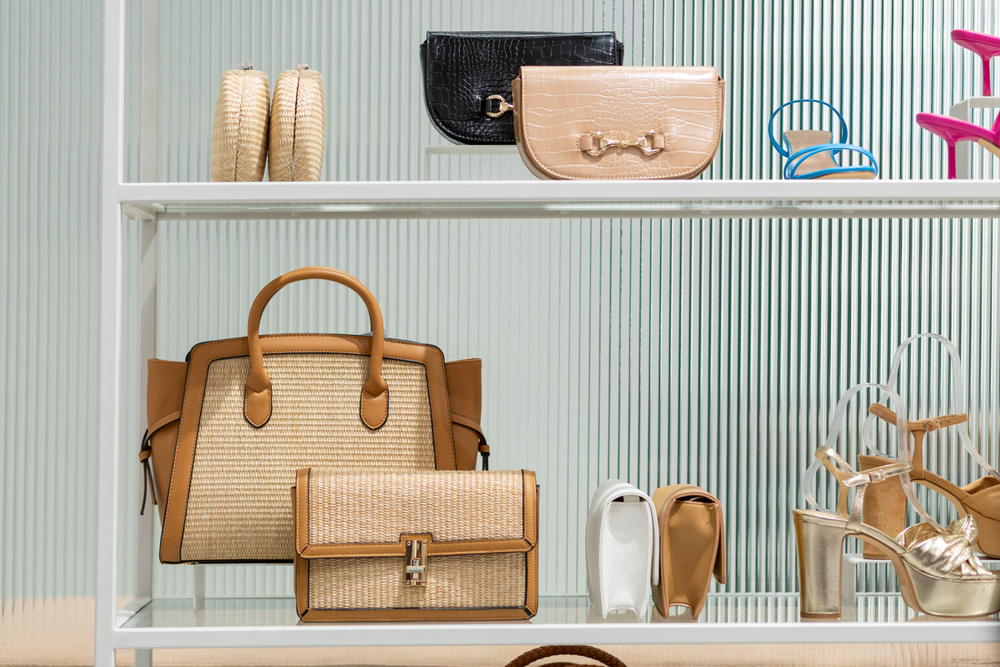
As the temperature climbs, rattan and straw bags take center stage as spring 2026's defining accessories. Their open weave construction keeps things breathable, and their natural rattan textures pair effortlessly with light, casual outfits. You'll find them across runways and street style alike, proving they're as versatile as they're stylish.
Color plays an equally powerful role this season. You can elevate any look with cobalt accents, a dominant runway neutral spotted at Seline, Fendi, and Valentino. Butter yellow, saturated reds, and grassy greens also compete for attention, turning your bag into the focal point of your outfit.
For silhouette, slouchy bucket bags and east-west elongated shapes dominate. Both styles deliver relaxed, effortless appeal that perfectly matches spring's laid-back dressing energy. For a polished rattan option that transitions beautifully from casual to dressy, the J.Crew Portofino Handknotted Clutch is a standout example worth considering.
Top Summer Handbags for Beach and Travel
As temperatures rise, functionality becomes just as important as appearance. Summer bags need to handle heat, humidity, and movement—whether that means commuting, traveling, or spending time outdoors.
Lightweight crossbodies and tote bags are particularly practical. They allow for hands-free movement while offering enough space for essentials like water bottles, sunscreen, and travel items. Materials like mesh, canvas, and nylon are ideal because they dry quickly and resist wear.
For beach settings, open-weave or mesh bags help prevent sand buildup and allow airflow. For travel, structured yet lightweight designs with compartments make organization easier. Summer handbags work best when they prioritize ease—something you can carry all day without thinking about it.
Choosing the Right Handbag for Summer Heat
Not all materials perform well in summer conditions, and choosing the wrong one can make even the most stylish bag uncomfortable to use.
- Patent leather warps and loses color under sweat and sunlight
- Velvet and suede trap sweat and collect dust in humid conditions
- Heavy metal hardware heats up uncomfortably and adds unnecessary weight
- Thick dark leather creates sticky, breathable conditions
- Synthetic linings lack heat proof linings, trapping moisture against your body
Instead, reach for high-quality leather, canvas, or nylon. These materials offer natural breathability, sweat resistant straps, and easy maintenance. Canvas keeps things casual and breathable, while nylon handles rain and heat without fuss.
Treated leather even develops a better patina over time, making it a surprisingly smart summer choice. Polyester is another strong contender, as its quick-drying properties make it a practical and versatile option for warm-weather use.
Fall Handbags That Match Autumn's Color Palette
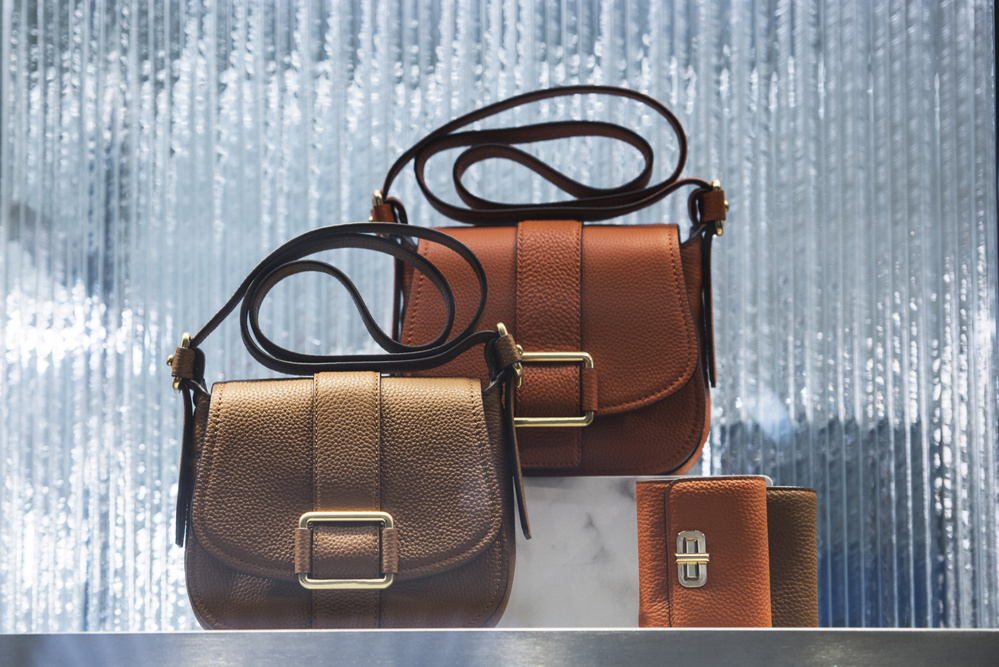
As the weather cools, handbag choices begin to shift toward richer textures and deeper tones. Fall is often defined by a sense of structure and warmth, both in materials and design. Leather becomes the dominant material during this season, offering durability and visual depth. Colors like burgundy, cognac, olive, and deep brown complement autumn wardrobes and add a more grounded feel.
Silhouettes also become more structured. Totes, top-handle bags, and refined crossbodies provide a sense of polish that aligns with heavier fabrics like wool and layered outfits. Fall handbags often serve as statement pieces, tying together outfits through both color and texture.
Winter Handbags Built for Cold and Rain
Winter demands more from your handbag than any other season. You need materials that handle snow, rain, and freezing temperatures without sacrificing style. Water-resistant leather with waterproof closures and insulated linings keeps your essentials protected while maintaining structure under heavy winter layers.
Consider these top winter bag features:
- Water-repellent leather resists moisture while staying supple
- Structured totes and crossbodies accommodate laptops, gloves, and sweaters
- Adjustable straps fit comfortably over puffer jackets and wool coats
- Rich burgundy and chocolate brown tones coordinate seamlessly with winter wardrobes
- Hands-free crossbody designs keep your hands warm in pockets
The Brooklyn Shoulder Bag in shearling or the Tabby Shoulder Bag 26 in leather both deliver cold-weather functionality with undeniable elegance. For ultimate versatility, look for a convertible bag that transitions between backpack, shoulder, crossbody, and tote to suit every holiday occasion and errand.
Explore how to build your own calendar to stay consistent with your seasonal handbag rotation!
Year-Round Handbags Worth Every Dollar
Some handbags transcend seasonal trends entirely, making them worth every dollar you invest. Investment classics like the Chanel 2.55, Hermès, and Louis Vuitton Alma deliver everyday versatility across all four seasons without losing their appeal. You can carry these pieces for decades because premium materials and generational craftsmanship keep them looking sharp year after year.
If you're watching your budget, mid-range brands like Coach, Mulberry, and Pietro NYC offer comparable quality without the luxury price tag. Pietro NYC, a family-owned leather manufacturer with 43 years of experience, produces small-batch goods for major designer names right from New York's Garment District.
Whether you choose a Prada Galleria or a Coach Tabby 26, you're investing in a bag that won't date, won't disappoint, and won't leave you with regret. Experts like Tom Glazer of Gigi New York point out that premium prices no longer guarantee long-term quality as larger brands move production offshore and cut corners on materials and hardware.
Transitional Handbags That Work Across Multiple Seasons
Transitional handbags solve a real styling problem: you don't need a separate bag for every season. Seasonal versatility comes down to smart design choices that carry you effortlessly from one climate to the next.
Look for these key features when choosing transitional bags:
- Layer-friendly straps that fit comfortably over bulky winter coats
- Midi sizes that balance functionality from spring through fall
- Neutral or adaptable colors like beige and black that shift with your wardrobe
- Velvet or patent finishes that suit cooler fall and winter textures
- Multiple compartments for practical, year-round organization
Top picks include the DeMellier Midi New York, Polène Cyme, and Hermès Picotin. These bags prioritize multi-season wearability, saving you money while keeping your style sharp regardless of the forecast. Designers like Dior and Hermès have also emerged as standout sources for transitional selections that balance structure, craftsmanship, and versatile styling across seasons.
Which Designer Handbags Work Best Each Season?
While versatile picks like the Polène Cyme cover multiple seasons, knowing which designer bags shine in a specific season helps you invest smarter. Build your seasonal capsule around proven performers: Coach and Michael Kors dominate spring and fall with accessible $250–500 styles, while their designer colorways in pastels make spring buys especially strong.
Summer favors JW Pei and Telfar for under-$250 hobo and crossbody silhouettes riding that 26.7% search growth. Totes led the category at 41% of all handbag sales in 2024, making them a reliable summer carryall choice across price points.
Fall shifts toward Coach, which holds 9% luxury market share as totes claim 41% of category sales. Winter rewards mid-range picks from Marc Jacobs and Michael Kors, since ultra-luxury drops to just 3% of total sales. Match the designer to the season, and every purchase works harder for you.
How to Build a Seasonal Handbag Rotation
Building a seasonal rotation doesn’t require a large collection—what matters more is selecting pieces that serve distinct purposes throughout the year. A well-planned rotation focuses on versatility, durability, and how each bag fits into your daily routine. A practical rotation might include:
- One lightweight bag for warm weather
- One structured leather option for cooler seasons
- One versatile, neutral bag for year-round use
From there, you can refine based on lifestyle. For example, if you travel often, adding a durable crossbody or tote designed for movement can improve functionality. If your routine is more work-focused, a structured bag that fits essentials like a laptop or planner may become a priority.
Over time, this approach creates a system rather than a collection. Each bag has a defined role, making it easier to switch between seasons without overthinking your choices. It also reduces unnecessary purchases, helping you focus on quality and long-term use instead of quantity.
Common Mistakes to Avoid When Choosing Seasonal Bags
Many handbag choices fall short not because of style, but because of practicality. One of the most common mistakes is prioritizing appearance over function—choosing materials or designs that don’t suit the climate or everyday use. A bag might look appealing, but if it’s uncomfortable, too delicate, or impractical, it’s unlikely to be used consistently.
Another common issue is overbuying based on trends. Seasonal styles can shift quickly, and investing heavily in trend-driven designs often leads to pieces that feel outdated after a short time. While trends can add variety, they work best when balanced with more timeless options.
Lack of versatility is another factor. Bags that only pair with a limited number of outfits or occasions tend to sit unused. Instead, choosing designs that adapt across different looks and settings increases their value. Avoiding these mistakes leads to a more intentional collection—one where each piece is chosen for both how it looks and how it performs over time.
Conclusion
Seasonal handbag choices aren’t just about following trends—they’re about aligning style with function. Each season brings different demands, and the right bag should support how you move through those changes.
As wardrobes evolve and lifestyles shift, versatility becomes more valuable than quantity. A small collection of well-chosen bags can cover a wide range of needs without feeling excessive. In the long run, the best handbags are the ones that adapt—balancing practicality, durability, and style across every season.