The Influence of Designer Purses on Pop Culture Style Trends
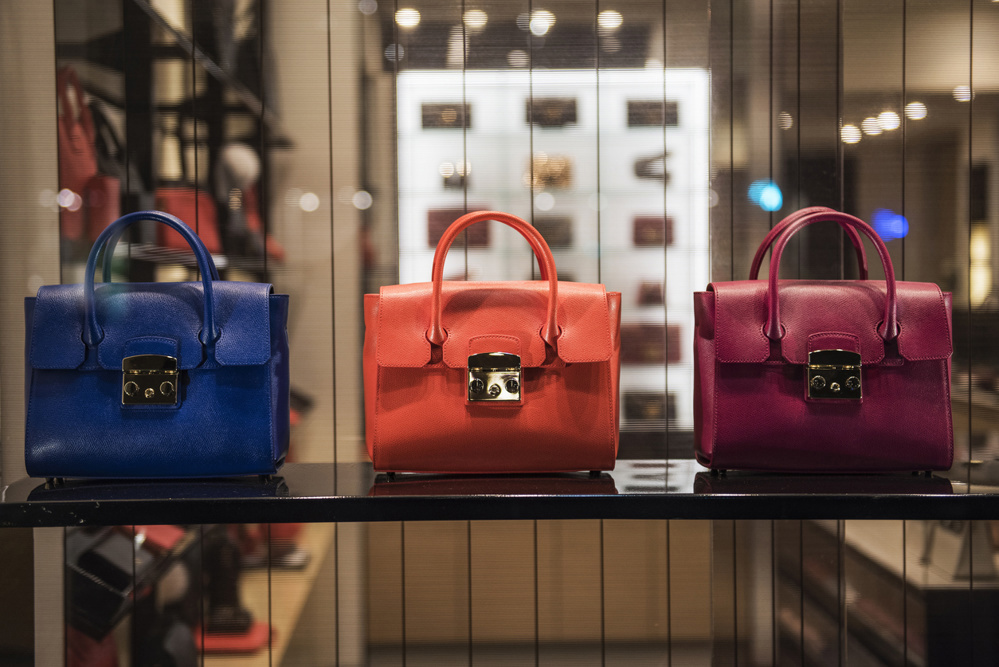
Designer purses have evolved far beyond their functional role as accessories. Over time, they’ve become cultural markers—objects that reflect shifts in identity, status, and taste across different eras. From royal courts to modern social media feeds, the meaning attached to handbags has continuously adapted alongside broader cultural trends.
Today, their influence extends across celebrity culture, digital platforms, resale markets, and sustainability movements. What once signaled exclusivity now also communicates individuality, awareness, and even financial strategy. Understanding how designer purses reached this level of cultural significance reveals just how deeply they are embedded in modern style and self-expression.
How Designer Purses Became Pop Culture Icons
From royal courts to red carpets, designer purses have always been more than just a place to stash your essentials. You can trace their heritage symbolism back to Elizabeth I's court, where bags signaled status and courtly utility before fashion even had a name.
By the 20th century, that symbolism had exploded into pop culture. Grace Kelly turned the Hermès Sac à Dépêches into a cultural statement simply by carrying it off-screen. Carrie Bradshaw got mugged for her Fendi Baguette, and suddenly everyone wanted one. The Dior Saddle got a second life through Sex and the City before officially relaunching in 2018.
These bags didn't just complement outfits — they defined eras, shaped trends, and turned everyday accessories into generational icons you still recognize today. The Bottega Veneta Intrecciato weave clutch, for instance, leapt from the silver screen into mainstream fashion consciousness after its appearance in the 1980 film American Gigolo.
The Celebrity Moments That Defined Designer Bag Trends
When Grace Kelly shielded her pregnancy from paparazzi with a Hermès Sac à dépêches in the mid-1950s, she didn't just protect her privacy — she accidentally created one of fashion's most coveted icons.
These iconic revelations and paparazzi shields reshaped luxury handbag culture forever. You can trace today's must-have bags directly to four defining celebrity moments:
- Grace Kelly renamed the Hermès Sac à dépêches the "Kelly bag" through one candid photograph.
- Audrey Hepburn inspired Louis Vuitton's Speedy 25, transforming everyday luxury carrying.
- Jane Birkin sparked a 1984 flight conversation that produced fashion's ultimate carryall.
- Kate Moss turned Balenciaga's 2001 runway prototype into streetwear's most influential it-bag.
Each moment proves that celebrity instinct, not marketing, creates lasting fashion legacies. Victoria Beckham's devotion to the Hermès Birkin — including a coral shade spotted in New York in 2007 — cemented the bag's status as the ultimate symbol of haute-luxe celebrity culture.
Check out MrPopCulture.com and learn more about pop culture trends in luxury handbags!
Why Influencers Now Drive More Designer Bag Hype Than Runways
In recent years, influencers have taken on a role that once belonged primarily to runways and traditional media. Instead of seasonal reveals, trends now emerge continuously through digital platforms. Influencers present designer bags in everyday contexts—travel, daily routines, and casual settings—which makes luxury feel more approachable.
This relatability helps bridge the gap between aspiration and accessibility. Data reflects this shift. A significant portion of younger consumers report discovering or purchasing handbags after seeing them featured online.
Brands have adapted by prioritizing creators whose audiences are already engaged, rather than relying solely on large-scale campaigns. This change doesn’t eliminate the runway’s influence, but it redistributes it. Fashion is no longer introduced in a single moment—it evolves in real time through ongoing exposure.
How Gen Z Made Designer Bags a Personal Brand
Gen Z didn't just buy into designer bags — they built identities around them. You're not just carrying a Louis Vuitton tote; you're broadcasting your personal brand. Designer bags have become social currency, with over 70% of fashion posts in 2023 featuring handbags. Demand jumped 136% since 2019, driven by four key motivators:
- Status signaling through visible, image-first platforms like TikTok and Instagram
- Investment thinking, with Hermès Birkins retaining 250% value over ten years
- Chaotic customization, turning bags into one-of-a-kind self-portraits through charms and embellishments
- Influencer validation, with 84% of Gen Z purchasing after seeing luxury items featured on social media
Gen Z is also reshaping how luxury is accessed, with about 30% shopping secondhand to get their hands on higher-end brands without the full retail price tag. You're not following trends — you're setting them, one carefully chosen bag at a time.
Why Owning a Pre-Loved Designer Bag Is Now a Status Move
Buying a pre-loved designer bag used to feel like settling — now it's the flex. When you carry a vintage Chanel flap or a pre-owned Birkin, you're doing more than accessorizing. You're making an investment signaling move that communicates taste, financial savvy, and cultural awareness all at once.
The numbers back you up. Goyard retains 104% of retail value. Prada's Re-Edition 2000 resells at 109%. These aren't just bags — they're assets you wear. There's also heritage storytelling at play. A lived-in, storied piece signals that you understand fashion history, not just fashion trends.
Younger affluent buyers especially respond to this, pairing sustainability values with status without contradiction. Pre-owned isn't the compromise — it's the smarter, sharper choice. Industry outlets like The Business of Fashion have even recognized beat-up bags as an emerging luxury status symbol, reflecting how deeply the resale mindset has shifted cultural perception.
How Sustainable Designer Bags Became the New Status Symbol
Sustainability has quietly become one of the most powerful signals in luxury fashion — and it's reshaping what a designer bag actually means.
Today, eco status isn't just about price — it's about provenance. Consumers, especially Gen Z and millennials, now evaluate material prestige through ethical sourcing and innovation. Brands like Stella McCartney lead with circular design, while mushroom leather and Piñatex redefine what luxury feels like.
Four markers now define sustainable status in designer bags:
- Certified materials — ESG-verified sourcing signals accountability
- Bio-based construction — Piñatex, MIRUM, and mushroom leather command premium value
- Repair programs — 30% of luxury brands extend product lifecycles
- Carbon transparency — 90% of a bag's footprint starts at raw material production
You're not just buying a bag — you're buying a position. The global luxury handbag market is projected to reach $55,567.6 million by 2033, reflecting how deeply values-driven purchasing has become embedded in consumer demand.
The Role of Social Media in Accelerating Bag Trends
Social media has significantly increased the speed at which handbag trends develop and spread. A single post, celebrity sighting, or viral video can introduce a design to a global audience almost instantly, compressing what used to take months or years into a matter of days.
Platforms like Instagram and TikTok allow users to engage with trends in real time. Instead of waiting for seasonal collections or magazine features, audiences can see how bags are styled across different lifestyles, from everyday wear to high-fashion contexts. This constant exposure makes trends feel more immediate and easier to adopt.
The result is a powerful feedback loop. As certain designs gain traction, more users showcase them, amplifying their visibility even further. At the same time, this rapid cycle shortens trend lifespans—what becomes popular quickly can also fade just as fast, making social media both a launchpad and a filter for what lasts.
How Designer Bags Became Both Fashion and Financial Assets
Another notable shift is the growing perception of designer bags as financial assets. Certain models—especially those with limited production or strong brand heritage—have demonstrated consistent resale performance, sometimes even appreciating in value over time.
This has changed how many consumers approach purchasing. Instead of viewing a handbag purely as a style choice, buyers increasingly consider durability, rarity, and long-term value. In some cases, this mindset aligns more closely with collecting, where ownership is tied to both personal enjoyment and potential return.
At the same time, resale platforms have made this perspective more accessible. Transparent pricing, authentication services, and global marketplaces allow buyers to track value and demand more easily. While not every bag functions as an investment, the presence of this market has reshaped expectations—positioning designer handbags somewhere between fashion statement and financial consideration.
The Cultural Tension Between Exclusivity and Accessibility
As designer bags become more visible across digital platforms, a tension emerges between exclusivity and accessibility. Luxury has traditionally relied on scarcity and controlled distribution, but widespread online exposure makes these items more familiar—and in some ways, more attainable.
At the same time, access has expanded through resale markets, influencer recommendations, and alternative purchasing options. This allows a broader range of consumers to participate in luxury culture, even if not always through traditional retail channels.
This balance continues to evolve. Brands maintain exclusivity through limited releases, waitlists, and pricing strategies, while consumers navigate new ways of engaging with luxury that feel both aspirational and accessible. The result is a shifting dynamic where visibility increases demand, but also challenges what exclusivity means in a more connected world.
The Designer Purse Trends Shaping Pop Culture Next
Looking ahead, several trends are shaping the future of designer handbags. Silhouettes are shifting toward elongated “east-west” designs, offering a streamlined alternative to bulkier styles. At the same time, oversized bags are returning, reflecting practical needs alongside aesthetic preferences.
Materials are also evolving. Suede and softer textures are gaining popularity, while decorative elements—such as embroidery and translucent details—introduce a more expressive dimension to design. Color palettes are moving toward warmer, more grounded tones, including burgundy, olive, and caramel.
These choices suggest a broader shift toward understated, versatile styles that can adapt across seasons. Together, these trends point toward a balance between structure and flexibility, tradition and innovation—continuing the cycle that has defined designer bags throughout their history.
Conclusion
Designer purses have moved far beyond their original purpose, becoming powerful symbols within pop culture and personal expression. Their influence spans generations, shaped by celebrities, digital platforms, and shifting consumer values. As trends continue to evolve, the meaning of luxury is becoming more layered.
It now includes identity, accessibility, sustainability, and even financial awareness. What remains consistent is the role these items play in reflecting broader cultural shifts. In the future, designer bags will likely continue to adapt alongside the ways people express themselves—remaining not just fashion pieces, but indicators of how culture itself is changing.